
Atrial Fibrillation Brochure
Atrial Fibrillation Brochure - Atrial fibrillation is a chronic and complex condition. Download this helpful brochure, which covers a broad variety of questions you’re likely to have about afib. (epidemiology of disease and symptoms) understanding atrial fibrillation: In atrial fibrillation, the electrical signals become irregular and very fast. But it can lead to other serious problems. Explore our library of afib educational brochures, booklets, and flyers available for. Atrial fibrillation association produces a range of patient information booklets, afib checklists and pamphlets for medical professionals. All materials published have been approved by the. Atrial fibrillation and atrial flutter are common heart rhythm problems (also called heart rhythm disorders or arrhythmias). It is caused by a failure of the heart’s natural pacemaker that is responsible for coordinating the contractions of the four chambers of the heart. Download this helpful brochure, which covers a broad variety of questions you’re likely to have about afib. Atrial fibrillation is a chronic and complex condition. Af occurs when the electrical signals being sent from the sinoatrial (sa) node (the heart's natural. That makes it the most common heart rhythm abnormality in the u.s. The new 2024 european society of cardiology guidelines emphasize a holistic approach to managing atrial fibrillation,. Atrial fibrillation (af) is an irregular heartbeat. Your diagnosis (what to expect. For some people there is no apparent cause. Atrial fibrillation is an abnormal heart rhythm that can cause stroke, heart failure, heart attack, chronic kidney disease, dementia, and death. Atrial fibrillation is the medical name for a type of. Your diagnosis (what to expect. Atrial fibrillation (afib) is a quivering or irregular heartbeat, also called arrhythmia. Atrial fibrillation and atrial flutter are common heart rhythm problems (also called heart rhythm disorders or arrhythmias). Atrial fibrillation (afib) is the most common type of abnormal heart rhythm (or arrhythmia) and is found in approximately 33 million people around the world. Atrial. If you have atrial fibrillation, you are not alone. Atrial fibrillation (afib) is the most common type of abnormal heart rhythm (or arrhythmia) and is found in approximately 33 million people around the world.1 afib is a fast and disorganized. Your diagnosis (what to expect. Your doctor has determined that you have atrial fibrillation (af), a common disturbance of the. If you have atrial fibrillation, you are not alone. This brochure is intended to educate patients on radiofrequency ablation as a treatment option for atrial fibrillation. (afib overview) what is atrial fibrillation? Atrial fibrillation (afib) is a quivering or irregular heartbeat, also called arrhythmia. For some people there is no apparent cause. Af can be caused by several factors, including heart disease, health conditions, and lifestyle. Atrial fibrillation association produces a range of patient information booklets, afib checklists and pamphlets for medical professionals. What are the symptoms of atrial fibrillation? Atrial fibrillation (afib) is a quivering or irregular heartbeat, also called arrhythmia. If you have atrial fibrillation, you are not alone. This heart condition affects almost half a million australians. Living with atrial fibrillation (af). Af occurs when the electrical signals being sent from the sinoatrial (sa) node (the heart's natural. Atrial fibrillation is an abnormal heart rhythm that can cause stroke, heart failure, heart attack, chronic kidney disease, dementia, and death. But if you have atrial fibrillation, or afib, the. Atrial fibrillation is classified as. Atrial fibrillation is a chronic and complex condition. You have a heart rhythm disturbance called atrial fibrillation and may be a candidate for an ablation procedure to help alleviate your symptoms. Living with atrial fibrillation (af). Atrial fibrillation (afib) is the most common type of abnormal heart rhythm (or arrhythmia) and is found in approximately. This document will provide information. The latest (2023) guideline on atrial fibrillation from the american college of cardiology, american heart association, american college of chest physicians, and heart. You have a heart rhythm disturbance called atrial fibrillation and may be a candidate for an ablation procedure to help alleviate your symptoms. Atrial fibrillation (afib) is a quivering or irregular heartbeat,. For some people there is no apparent cause. The latest (2023) guideline on atrial fibrillation from the american college of cardiology, american heart association, american college of chest physicians, and heart. (afib overview) what is atrial fibrillation? It is caused by a failure of the heart’s natural pacemaker that is responsible for coordinating the contractions of the four chambers of. Atrial fibrillation and atrial flutter are common heart rhythm problems (also called heart rhythm disorders or arrhythmias). Atrial fibrillation association produces a range of patient information booklets, afib checklists and pamphlets for medical professionals. If you have atrial fibrillation, you are not alone. But if you have atrial fibrillation, or afib, the heart doesn’t always beat or keep pace the. Atrial fibrillation and atrial flutter are common heart rhythm problems (also called heart rhythm disorders or arrhythmias). Atrial fibrillation is a chronic and complex condition. Atrial fibrillation (af) is an irregular heartbeat. It is caused by a failure of the heart’s natural pacemaker that is responsible for coordinating the contractions of the four chambers of the heart. The new 2024. Assessing for afibafib & stroke riskeducating patientslearn about risk factors It is caused by a failure of the heart’s natural pacemaker that is responsible for coordinating the contractions of the four chambers of the heart. For some people there is no apparent cause. Atrial fibrillation is an abnormal heart rhythm that can cause stroke, heart failure, heart attack, chronic kidney disease, dementia, and death. Atrial fibrillation (af) is a type of tachycardia and is the most common type of arrhythmia. Af occurs when the electrical signals being sent from the sinoatrial (sa) node (the heart's natural. You have a heart rhythm disturbance called atrial fibrillation and may be a candidate for an ablation procedure to help alleviate your symptoms. This heart condition affects almost half a million australians. Af can be caused by several factors, including heart disease, health conditions, and lifestyle. This document will provide information. Atrial fibrillation is the medical name for a type of. But if you have atrial fibrillation, or afib, the heart doesn’t always beat or keep pace the way it should. 1 afib is a fast and disorganized. But it can lead to other serious problems. Atrial fibrillation (afib) is a quivering or irregular heartbeat, also called arrhythmia. All materials published have been approved by the.
Atrial Fibrillation Boehringer Ingelheim

(PDF) Atrial flutter the organised cousin of atrial fibrillation

Atrial Fibrillation Patient Tools and Handouts PCNA

Blue and White Modern Medical Clinic TriFold Brochure WHAT IS ATRIAL
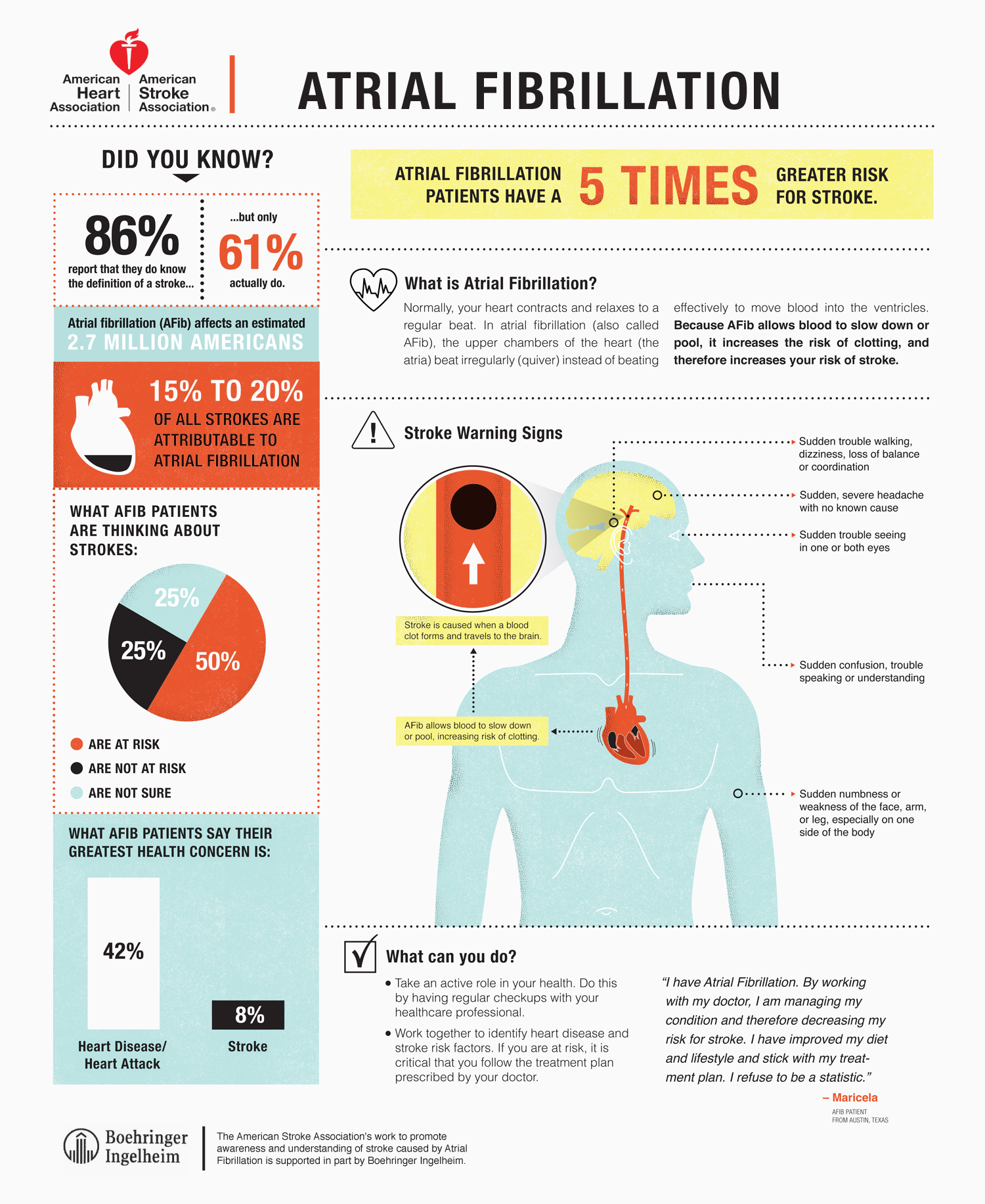
Educating Doctors and Patients About Atrial Fibrillation

Atrial Fibrillation Poster by Brad Woodard on Dribbble

PDF What Is Atrial Fibrillation? HealthClips Online
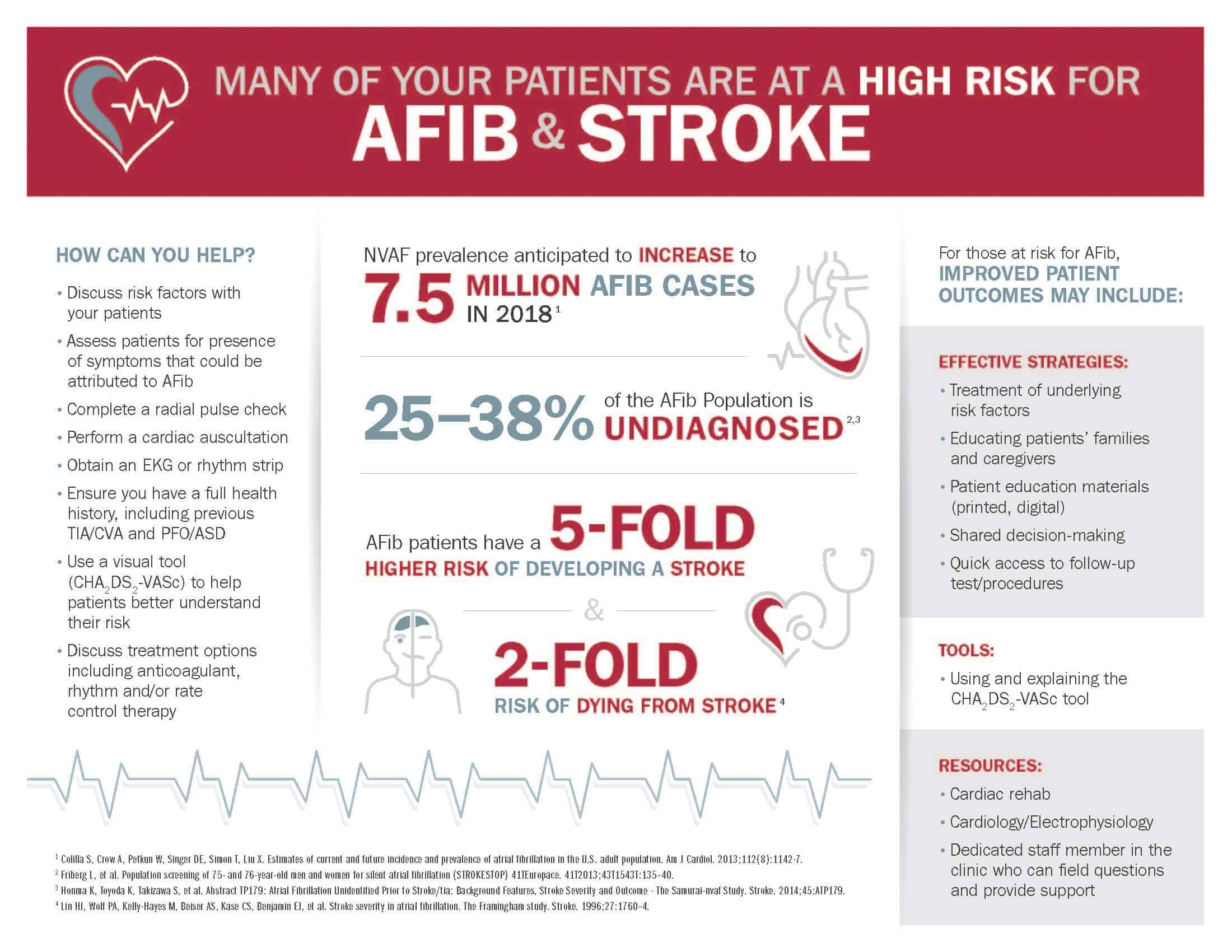
New Atrial Fibrillation Graphic Handout PCNA

Brochure for Atrial Fibrillation on Behance
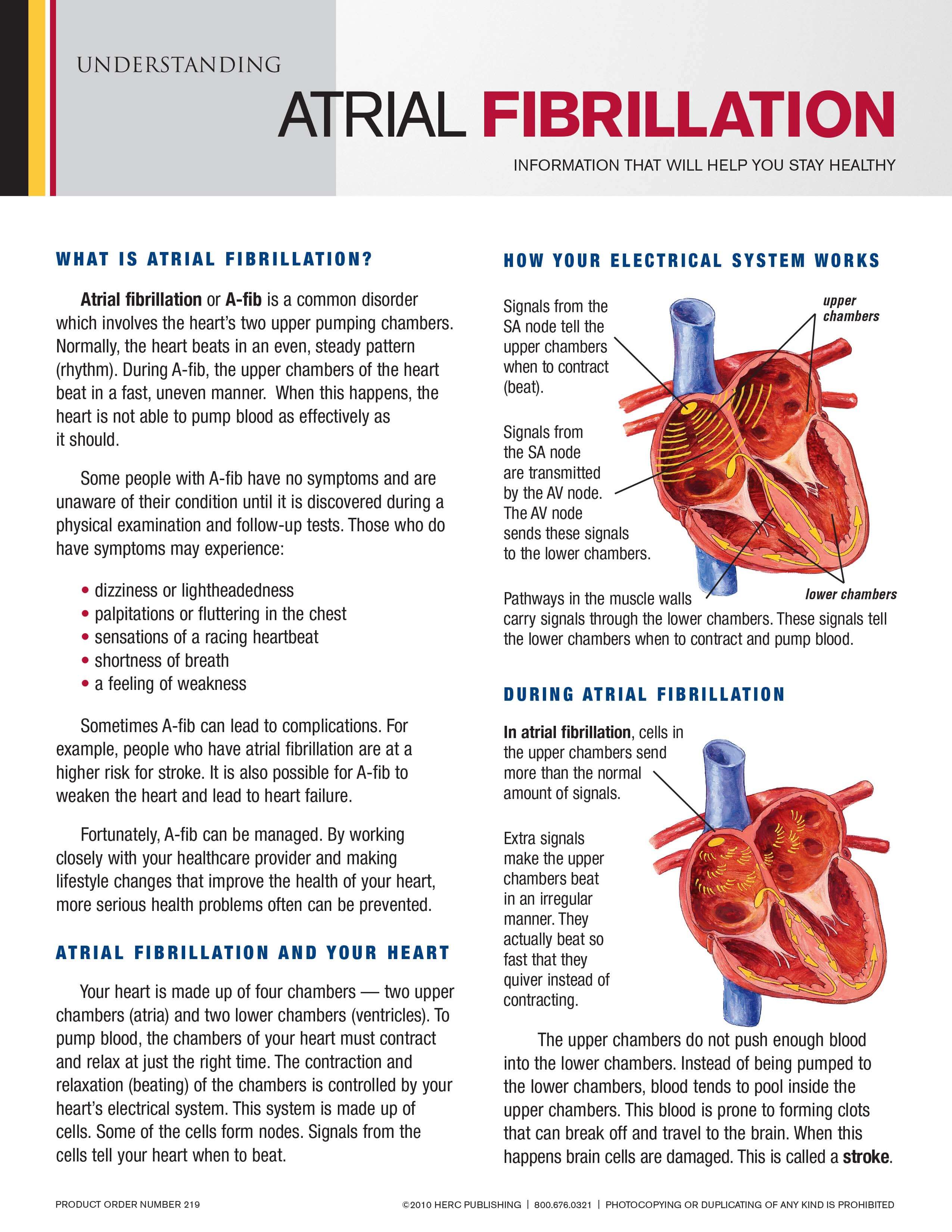
Atrial Fibrillation HERC Publishing
If You Have Atrial Fibrillation, You Are Not Alone.
This Brochure Is Intended To Educate Patients On Radiofrequency Ablation As A Treatment Option For Atrial Fibrillation.
Atrial Fibrillation And Atrial Flutter Are Common Heart Rhythm Problems (Also Called Heart Rhythm Disorders Or Arrhythmias).
The American College Of Cardiology (Acc) And American Heart Association (Aha) Released Updated Recommendations For Preventing And Managing Atrial Fibrillation.
Related Post: