
Celiac Brochure
Celiac Brochure - Gluten consumption damages the small intestine and. Gluten is a combination of proteins found in wheat, barley, rye,. The steps leading to a diagnosis of celiac disease are: Celiac disease causes damage in the lining of the small intestine when eating gluten (a protein found in wheat, barley,. Celiac disease is a genetic autoimmune disorder where the ingestion of gluten leads to serious damage in the small intestine. Nosed celiac patients and their families from experiencing “celiac meltdown. Celiac disease (cd) is a permanent intolerance to gluten, a protein found in various wheat, rye, barley and triticale. Individuals who have cd are permanently intolerant to gluten, a group of proteins found in wheat, barley, and rye. Click here for the latest frequently asked questions. It is a permanent sensitivity to gluten, a protein from wheat, rye, and barley. Gluten is a protein found in wheat, barley, and rye. Celiac disease is a serious, genetic autoimmune disorder where the ingestion of gluten causes damage to the small intestine. Click here for the latest frequently asked questions. The celiac disease program at children's national hospital was started in 2010 to fill the void in medical and public knowledge about celiac disease. Individuals who have cd are permanently intolerant to gluten, a group of proteins found in wheat, barley, and rye. A thorough physical examination with complete medical history. Mainly affects the gastrointestinal tract. Celiac disease is a genetic autoimmune disorder where the ingestion of gluten leads to serious damage in the small intestine. It is a permanent sensitivity to gluten, a protein from wheat, rye, and barley. The celiac disease foundation provides informative brochures to help you better understand and navigate celiac disease. Click here for the latest frequently asked questions. The celiac disease foundation provides informative brochures to help you better understand and navigate celiac disease. It is a permanent sensitivity to gluten, a protein from wheat, rye, and barley. Celiac disease is a genetic autoimmune disorder where the ingestion of gluten leads to serious damage in the small intestine. • blood. Celiac disease (cd) is a permanent intolerance to gluten, a protein found in various wheats (e.g., durum, kamut, spelt), rye, barley and triticale. We strive to care for our patients using our In affected individuals, eating food. Celiac disease (ced) is a genetic autoimmune condition that mainly affects the gastrointestinal tract when gluten is ingested. At first, living gf can. This is a cooperative publication of the gluten intolerance group of north america and the national. At first, living gf can seem. • blood work that includes a celiac panel. • a thorough physical examination with complete medical history. Celiac disease is one of the most common gastrointestinal disorders. Celiac disease causes damage in the lining of the small intestine when eating gluten (a protein found in wheat, barley,. The steps leading to diagnosis of celiac disease are: Celiac disease is a serious, genetic autoimmune disorder where the ingestion of gluten causes damage to the small intestine. Gluten is a combination of proteins found in wheat, barley, rye,. We’ll. The celiac disease foundation provides informative brochures to help you better understand and navigate celiac disease. Celiac disease is a serious, genetic autoimmune disorder where the ingestion of gluten causes damage to the small intestine. Gluten consumption damages the small intestine and. Mainly affects the gastrointestinal tract. This is a cooperative publication of the gluten intolerance group of north america. • blood work that includes a celiac panel. Currently, the only treatment for celiac disease is lifelong. Click on the brochure to download or print. In affected individuals, eating food. Gluten is a protein found in wheat, barley, and rye. This is a cooperative publication of the gluten intolerance group of north america and the national. Gluten is a combination of proteins found in wheat, barley, rye,. It is a permanent sensitivity to gluten, a protein from wheat, rye, and barley. • blood work that includes a celiac panel. The steps leading to a diagnosis of celiac disease are: • blood work that includes a celiac panel. Celiac disease (cd) is a permanent intolerance to gluten, a protein found in various wheat, rye, barley and triticale. It is a permanent sensitivity to gluten, a protein from wheat, rye, and barley. Celiac disease is a genetic autoimmune disorder where the ingestion of gluten leads to serious damage in the small. Gluten is a protein found in wheat, barley, and rye. Gluten is a combination of proteins found in wheat, barley, rye,. Please click on the links to your right for a printable factsheet on a particular aspect of celiac disease. Gluten consumption damages the small intestine and. This is a cooperative publication of the gluten intolerance group of north america. Celiac disease is a chronic condition mainly affecting the small intestine. Gluten consumption damages the small intestine and. The steps leading to diagnosis of celiac disease are: It is a permanent sensitivity to gluten, a protein from wheat, rye, and barley. Individuals who have cd are permanently intolerant to gluten, a group of proteins found in wheat, barley, and rye. This is a cooperative publication of the gluten intolerance group of north america and the national. We’ll discuss the diet in much more detail throughout this brochure. A thorough physical examination with complete medical history. When you have celiac disease, eating gluten damages the intestinal lining of your small intestine and can cause a host of symptoms and health problems. Celiac disease is a genetic autoimmune disorder where the ingestion of gluten leads to serious damage in the small intestine. Please click on the links to your right for a printable factsheet on a particular aspect of celiac disease. Click here for the latest frequently asked questions. The steps leading to a diagnosis of celiac disease are: Celiac disease is a chronic condition mainly affecting the small intestine. Comprehensive brochure for individuals living with celiac disease, age 60 and up. Celiac disease (cd) is a permanent intolerance to gluten, a protein found in various wheat, rye, barley and triticale. Currently, the only treatment for celiac disease is lifelong. Gluten is a protein found in wheat, barley, and rye. It is a permanent sensitivity to gluten, a protein from wheat, rye, and barley. Celiac disease is a serious, genetic autoimmune disorder where the ingestion of gluten causes damage to the small intestine. The celiac disease program at children's national hospital was started in 2010 to fill the void in medical and public knowledge about celiac disease.
Fast Facts About Celiac Disease
![[DIAGRAM] Diagram Of Celiac Disease](https://glutenbee.com/wp-content/uploads/2018/02/Infographic_Celiac-Disease-at-a-Glance.jpg)
[DIAGRAM] Diagram Of Celiac Disease
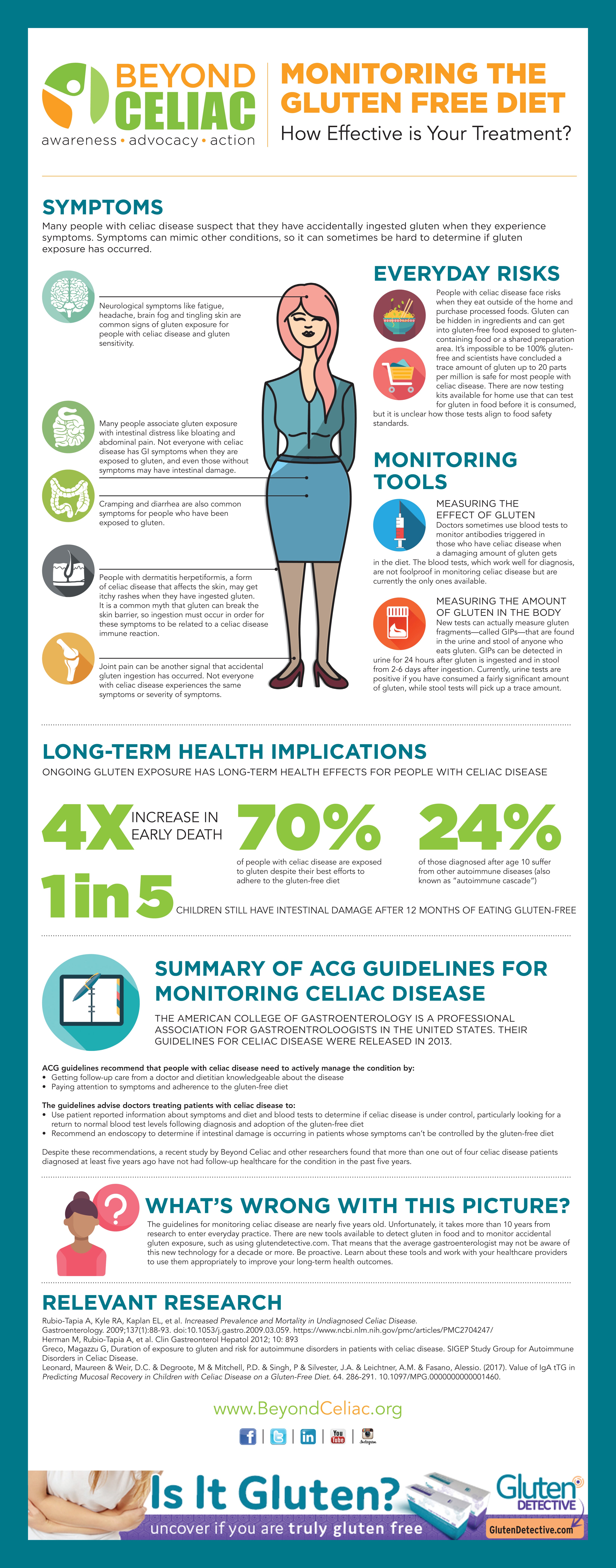
Celiac Disease Management & Monitoring

Waiting Room Program Celiac Disease Foundation

Discover our Products & Services Download Brochures

Celiac Disease American College of Gastroenterology
Celiac Disease Brochure PDF
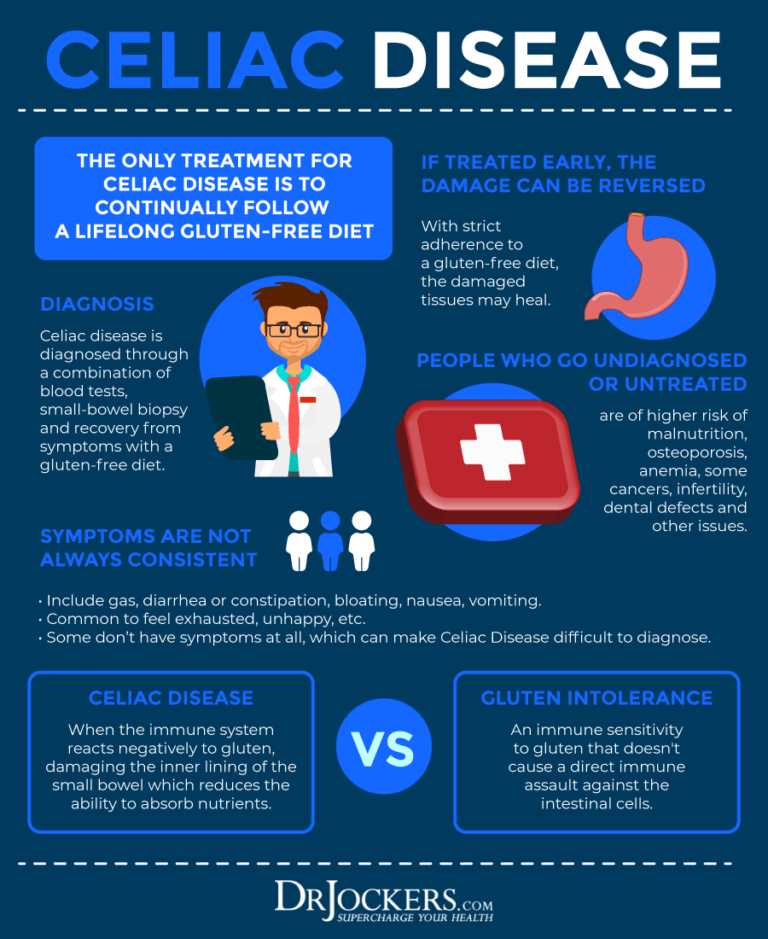
Celiac Disease Symptoms, Causes and Natural Support Strategies

celiac disease flyer Celiac disease awareness, Celiac disease, Celiac

About "Go Beyond Celiac"
Celiac Disease Causes Damage In The Lining Of The Small Intestine When Eating Gluten (A Protein Found In Wheat, Barley,.
Individuals Who Have Cd Are Permanently Intolerant To Gluten, A Group Of Proteins Found In Wheat, Barley, And Rye.
Gluten Consumption Damages The Small Intestine And.
Celiac Disease (Ced) Is A Genetic Autoimmune Condition That Mainly Affects The Gastrointestinal Tract When Gluten Is Ingested.
Related Post:
