
What Type Of Paper Are Brochures Printed On
What Type Of Paper Are Brochures Printed On - Generally, paper for brochures should be between 130 and 200 gsm, which is between copier paper and card stock. Each of these sizes offers different benefits and constraints, making it essential to choose the one that best aligns with the purpose and content of your brochure. As we explored, paper type directly influences the brochure's clarity, readability, and image vibrancy. You have paper stock and card stock — let’s differentiate the two. The paper is covered with a layer of coating, which can be glossy, matte, or satin, that enhances the vibrancy of printed colors and adds a professional finish. Everything you need to know to choose paper for your printed brochure. Untreated paper has an unreflective surface suitable for everyday printing. Whether you’re printing business cards, brochures, or packaging, the right paper sets the tone for your brand, enhances readability, and influences how your audience perceives your message. Suitable for industries such as travel, fashion, or hospitality, where visuals play a key role. Choosing the right paper type for printing doesn’t have to be overwhelming. The types of paper for printing your brochure are also determined by the artwork you will use. It drives action through carefully structured visual hierarchy principles and brand presentation. Whether you’re printing business cards, brochures, or packaging, the right paper sets the tone for your brand, enhances readability, and influences how your audience perceives your message. When you talk about brochure paper, you’re really talking about two things: We’ll help you make the best paper choice for your brochure printing requirements. Each type of paper has its unique properties, which can impact the look, feel, and functionality of your brochure. Posters and photographs can be printed on paper which is only coated on one side. At jam paper, three popular paper sizes are perfect for brochure creation: Use uncoated paper so it’s easy to write on. There are several types, each with unique qualities which may make it more or less appropriate for specific tasks. Coated paper is one of the most popular choices for business printing, especially for marketing materials like brochures and flyers. Typically, there are two types available. Select the best paper for book and brochure printing. Dive into our comprehensive guide, exploring paper types, finishes, and weights. You can use two main types of paperweight for your brochure; You have paper stock and card stock — let’s differentiate the two. Here are the three most popular types of paper that you can use for brochure printing: With a wealth of choice available, we’ve simplified things and. Generally, paper for brochures should be between 130 and 200 gsm, which is between copier paper and card stock. Discover specialty papers. You can also use 80 lb or 100 lb cover. If you’re wondering about the best type of paper for brochures, the easy answer is that most brochures will look and feel good when they’re printed on 100 lb silk text. At alphagraphics brentwood, we guide you through options, show you samples, and help you pick what. Let’s explore the. Everything you need to know to choose paper for your printed brochure. There are several types of paper that you can use when printing a brochure. Discover the art of choosing the perfect paper for brochure printing! Select the best paper for book and brochure printing. So, which is the best for your brochure? It drives action through carefully structured visual hierarchy principles and brand presentation. At alphagraphics brentwood, we guide you through options, show you samples, and help you pick what. You can use two main types of paperweight for your brochure; Luckily for you, we have a list of the best paper weights to use. Discover specialty papers like pearlescent, colored and. Each type of paper has its unique properties, which can impact the look, feel, and functionality of your brochure. You can use two main types of paperweight for your brochure; When choosing the best paper for brochures, there are three main factors to consider: Provides a shiny and reflective finish, enhancing colors and images. Paper stock and card stock. Brochure design transforms basic information into compelling visual storytelling.it’s where print marketing materials meet strategic communication. We’ll help you make the best paper choice for your brochure printing requirements. Here are the three most popular types of paper that you can use for brochure printing: Each of these sizes offers different benefits and constraints, making it essential to choose the. It drives action through carefully structured visual hierarchy principles and brand presentation. If you’re wondering about the best type of paper for brochures, the easy answer is that most brochures will look and feel good when they’re printed on 100 lb silk text. So, which is the best for your brochure? We’ll help you make the best paper choice for. Discover the best paper types for brochure printing. The paper is covered with a layer of coating, which can be glossy, matte, or satin, that enhances the vibrancy of printed colors and adds a professional finish. Brochures printed on 8.5 x 14 give a bit more room for extra content but can still be mailed out or easily displayed in. We’ll help you make the best paper choice for your brochure printing requirements. Brochures printed on 8.5 x 14 give a bit more room for extra content but can still be mailed out or easily displayed in standard racks. Each of these types has its benefit and unique style depending on what you are looking to achieve. Generally, paper for. Discover the best paper types for brochure printing. Typically, there are two types available. Provides a shiny and reflective finish, enhancing colors and images. This article guides you on what paper is best to print your brochures on based on the paperweight, finish, size, and color. It drives action through carefully structured visual hierarchy principles and brand presentation. You can also use 80 lb or 100 lb cover. Select the best paper for book and brochure printing. Here’s a breakdown of the most common paper types and finishes to help you choose the best one for your next project. Generally, paper for brochures should be between 130 and 200 gsm, which is between copier paper and card stock. Each type of paper has its unique properties, which can impact the look, feel, and functionality of your brochure. Untreated paper has an unreflective surface suitable for everyday printing. Suitable for industries such as travel, fashion, or hospitality, where visuals play a key role. Coated paper is one of the most popular choices for business printing, especially for marketing materials like brochures and flyers. Whether you’re printing business cards, brochures, or packaging, the right paper sets the tone for your brand, enhances readability, and influences how your audience perceives your message. There are several types, each with unique qualities which may make it more or less appropriate for specific tasks. Brochures printed on 8.5 x 11 paper are about the size of a standard letter, fold well into a tower shape and fit snugly into brochure racks and display stands;
What Is The Best Type Of Paper For Brochure Printing
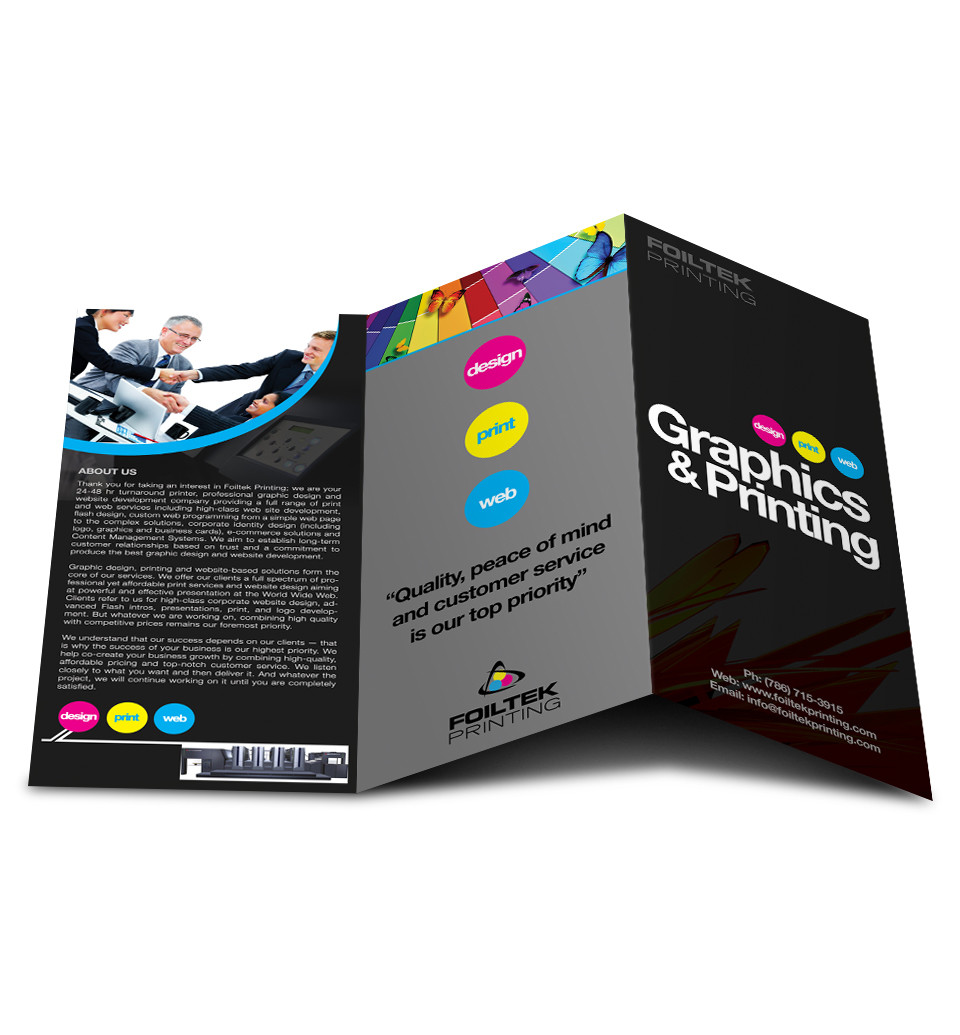
Tri Fold Brochures Full Color Brochures Cheap Brochure Printing
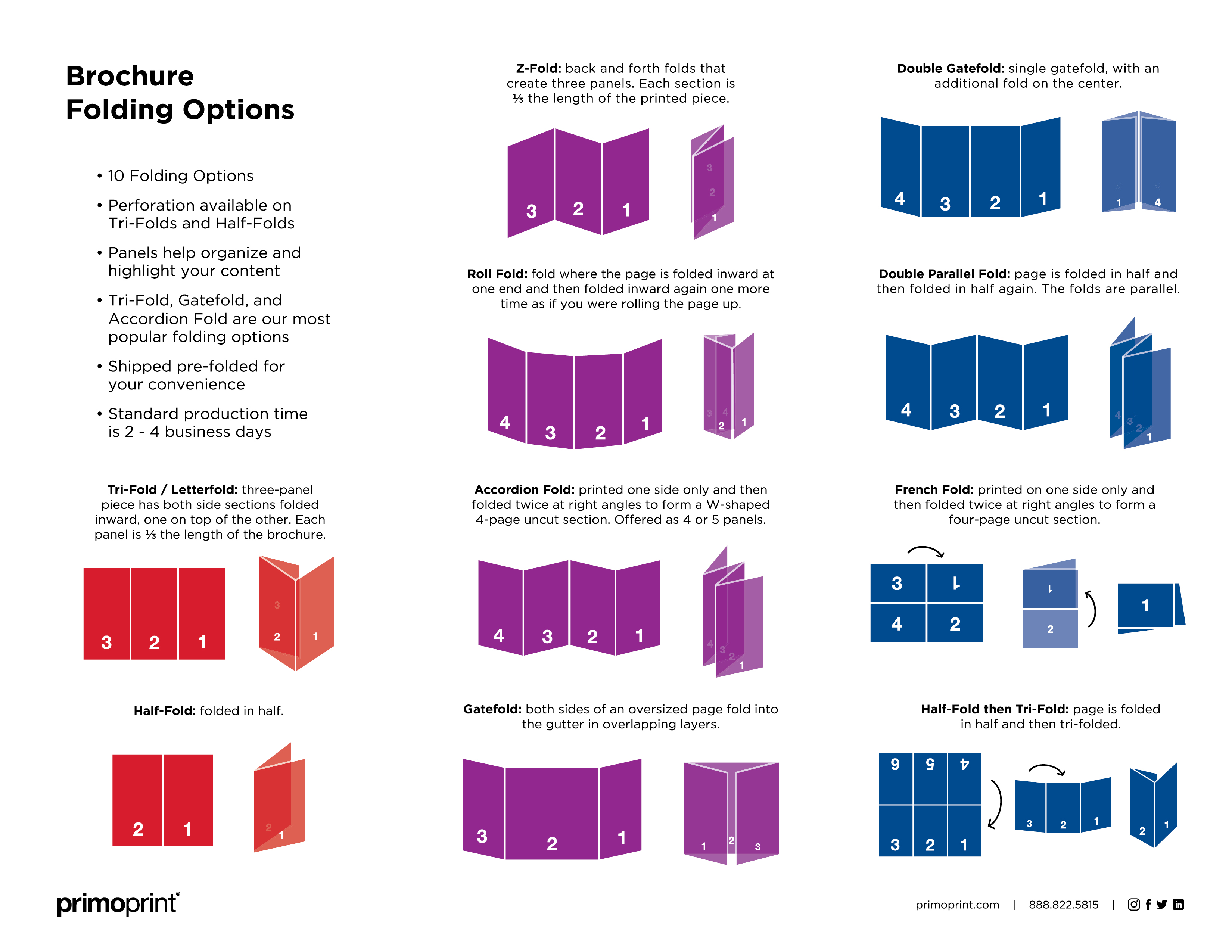
The Complete List of Brochure Folds Primoprint Blog

Brochure Printing Melbourne Cheap Brochures BeePrinting
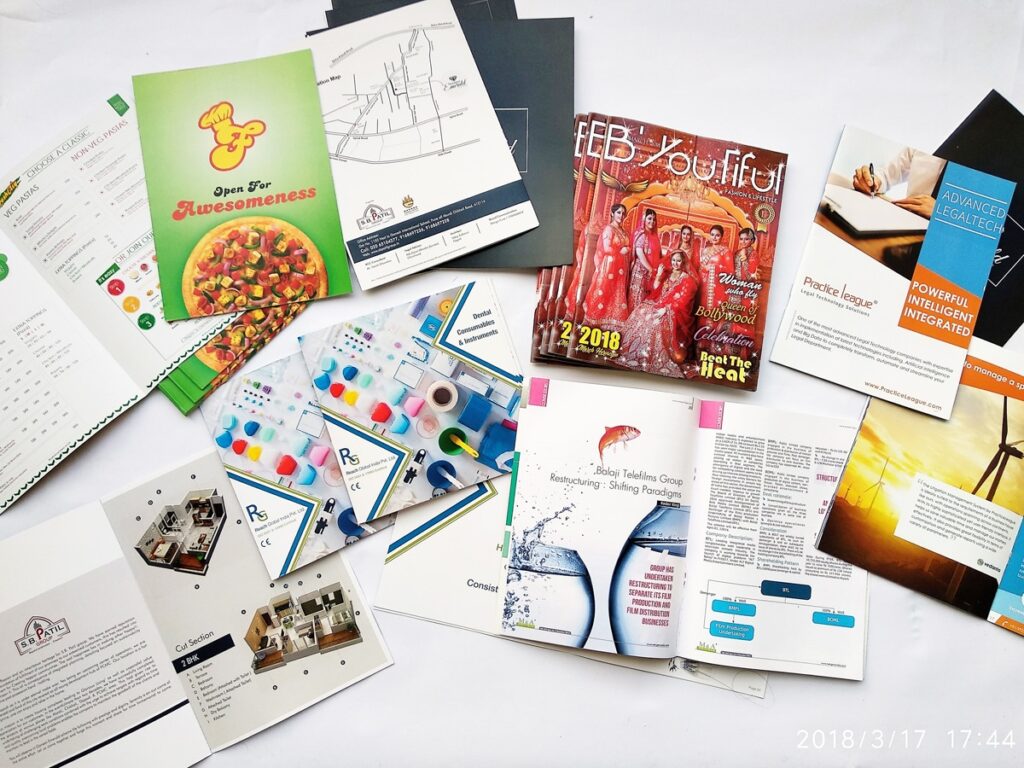
MultiPage Brochure Printing to Showcase Company Offerings

Quick Print Solutions · Full Color Brochures
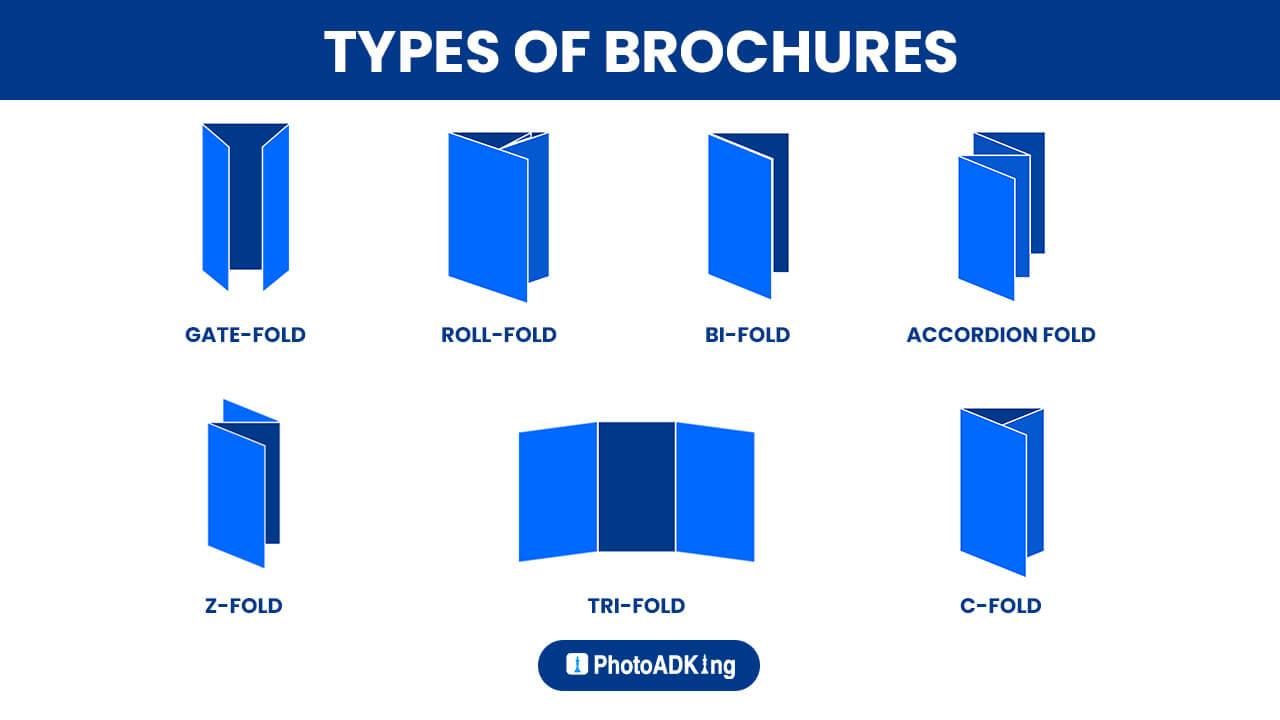
What Are the Different Types of Brochures?
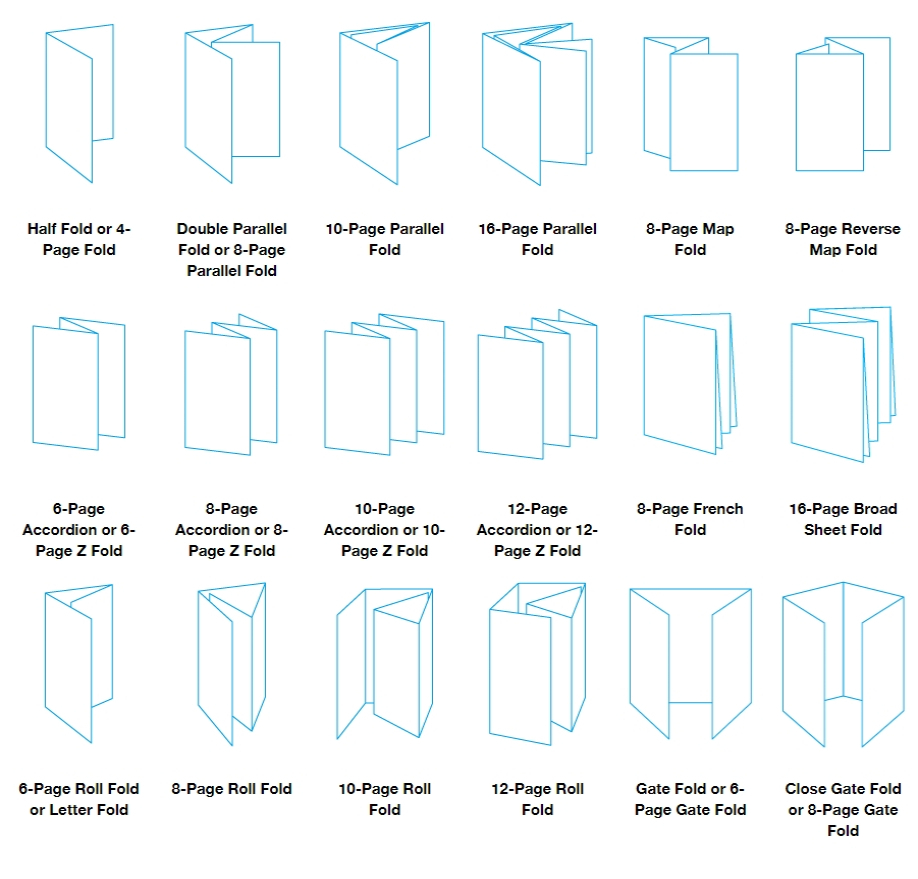
Paper Folding, Creasing and Scoring Types for Brochures Printing Bali
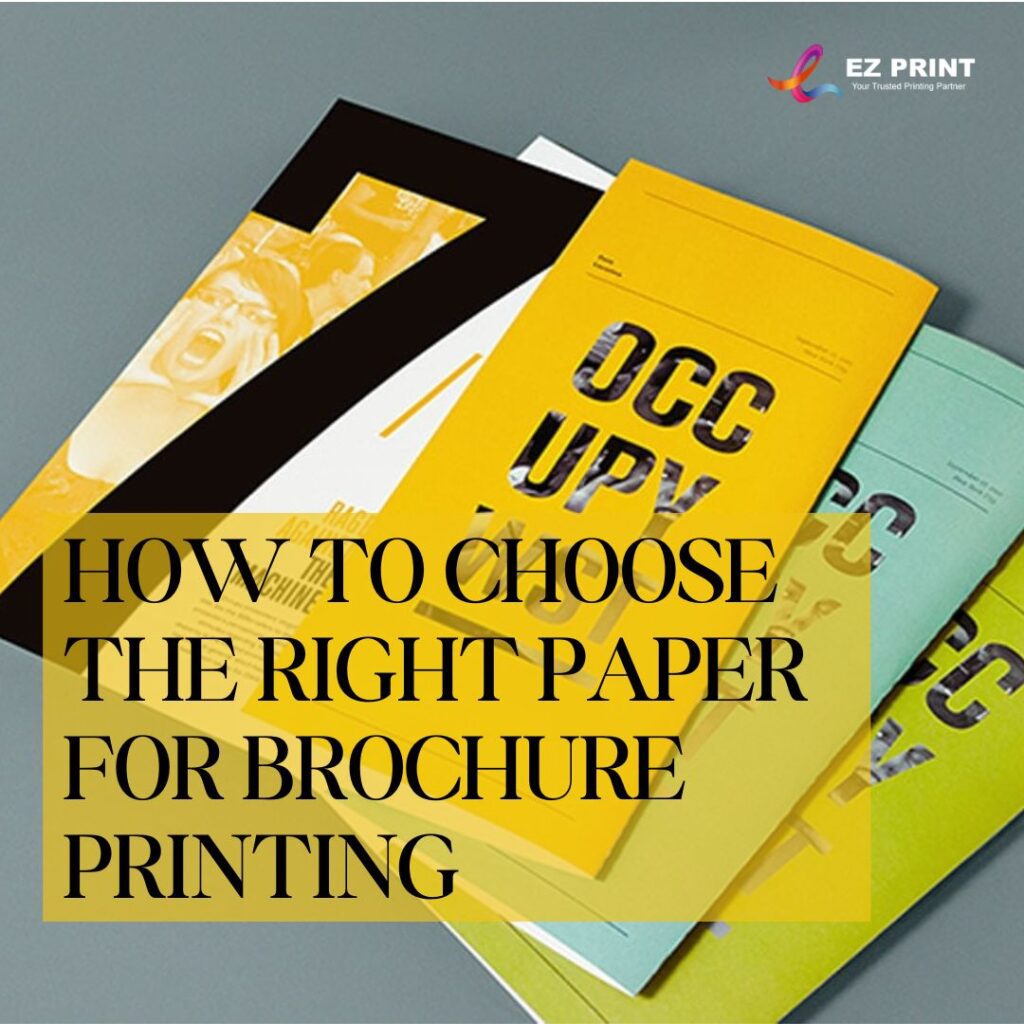
How to Choose the Right Paper for Brochure Printing EZ Print
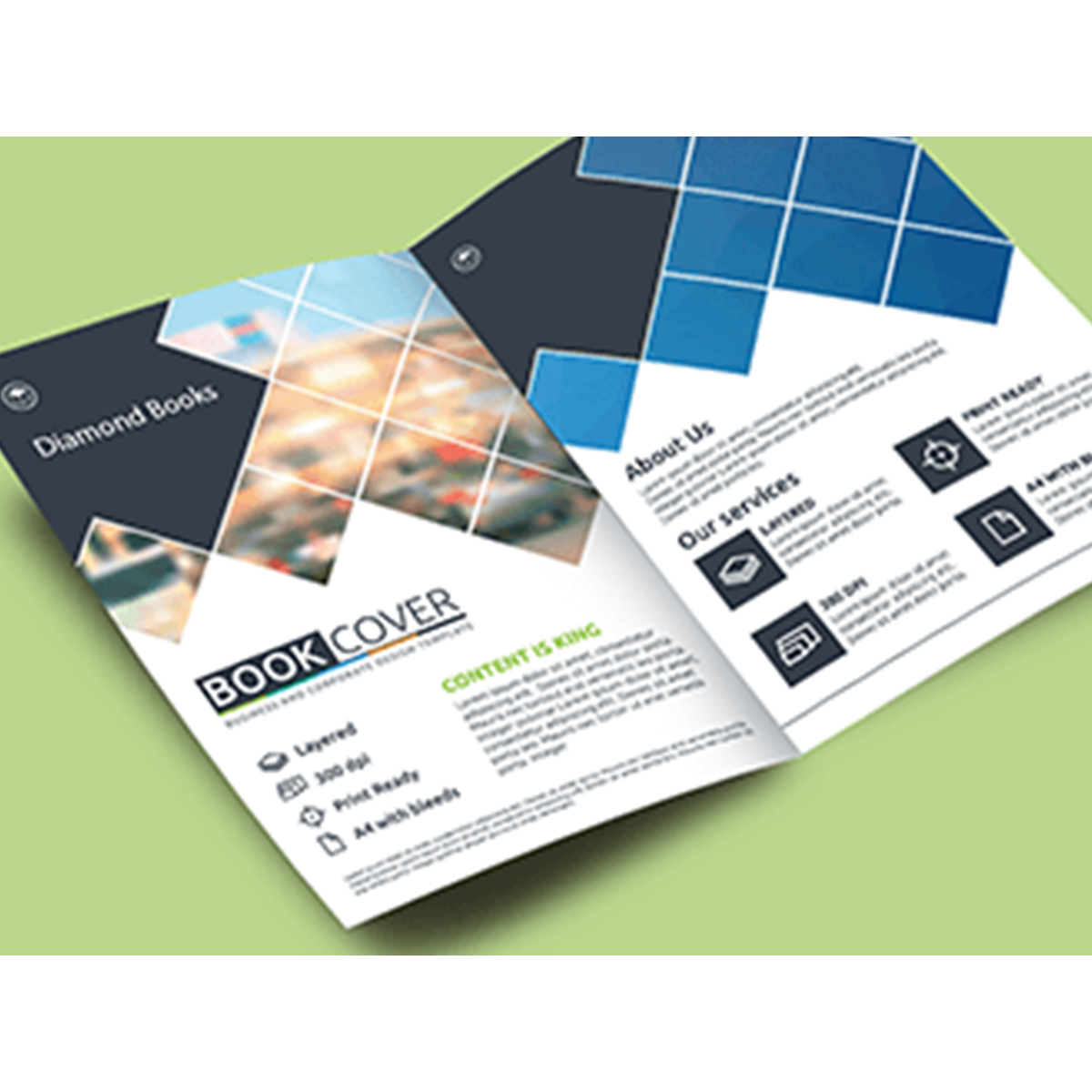
BI FOLD BROCHURE 4 PAGES
Posters And Photographs Can Be Printed On Paper Which Is Only Coated On One Side.
However, A Comprehensive Understanding Of Paper Weight, Finish, And Brochure Size Is Essential To Find The Right Paper For Your Brochure.
We’ll Help You Make The Best Paper Choice For Your Brochure Printing Requirements.
When You Talk About Brochure Paper, You’re Really Talking About Two Things:
Related Post: